












 |
Why a Roof Inspection Is Essential Before Installing Solar Panels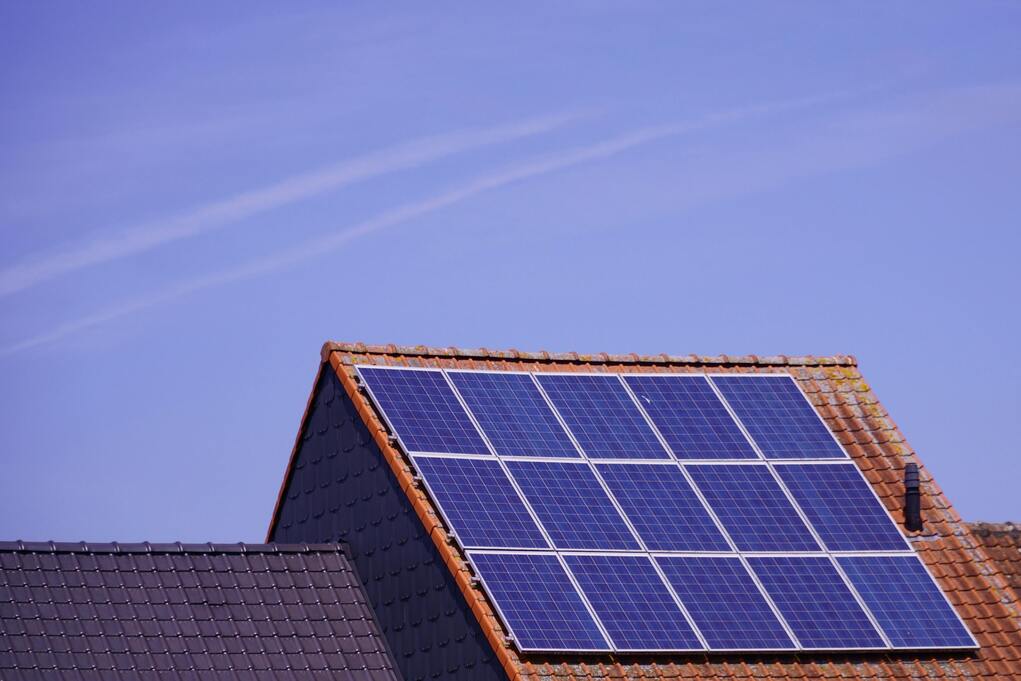
Before you invest in solar panels, it's crucial not to overlook the state of your roof. Ignoring potential roof issues can lead to costly setbacks and compromise your solar investment. You might think your roof looks fine, but hidden problems could impact both performance and long-term savings. Understanding the key steps that come before solar installation helps you avoid risks and ensures your system works efficiently. So, what exactly should you look out for? The Critical Role of Roof Inspections in Solar Panel PlanningBefore proceeding with the installation of solar panels, conducting a roof inspection is an essential step in the planning process. This inspection aims to determine the suitability of roofing materials—commonly metal or asphalt—relative to the requirements of solar panel installation. During an inspection, professionals evaluate the condition of the roof, identifying any underlying issues that could impact the project. Common areas of concern include missing or damaged shingles, curling shingles, and any signs of leaks. Additionally, water damage around gutters should be assessed, as the roof's structural integrity is critical, particularly considering the additional weight of solar panels. The angle of the roof, known as pitch, as well as sunlight exposure, are also crucial factors in maximizing energy production from solar panels. A well-oriented and unobstructed roof can significantly enhance the efficiency of the solar system and contribute to an increase in home value. It is advisable to engage a reputable company for the inspection, as many offer complimentary assessments. They should provide clear information regarding their privacy policies, service areas, and an outline of labor and removal costs. Efforts taken during this phase can lead to a well-informed decision regarding the installation of solar panels, ensuring both safety and efficiency. Identifying and Addressing Common Roof Issues Before Solar InstallationBefore proceeding with solar panel installation, it is essential to conduct a comprehensive assessment of your roof to identify any existing issues that could hinder the installation process or compromise the long-term efficacy of the solar system. Key concerns to evaluate include damaged shingles, curling shingles, missing shingles, structural sagging, and water damage. Each of these problems can adversely affect energy efficiency and may diminish property value, while also potentially increasing labor costs associated with repairs or removal during the solar installation process. Notably, roofs made of asphalt or metal that are nearing the end of their lifespan may lack the structural integrity to support the additional weight of solar panels. Furthermore, proper functioning gutters and drainage systems should also be inspected, as these are critical in preventing water accumulation that could lead to further roof damage. Addressing any identified underlying issues with a qualified roofing contractor prior to solar panel installation is advisable. This proactive approach not only ensures the stability and safety of the roof but also contributes to optimal energy production and minimizes the likelihood of future repairs. For a detailed inspection of your roof and to determine the appropriateness of your structure for solar panel installation, consider visiting solarly.org. Assessing Roof Suitability and Structural Requirements for SolarAssessing your roof's suitability for solar panel installation involves a systematic evaluation that takes into account the roof's age, condition, and the materials used. A thorough inspection conducted by your roofing contractor will include checking for missing, damaged, or curling shingles, as well as any indications of leaks or water damage. Additionally, the structural integrity of the rafters must be examined to determine if the roof can support the added weight of solar panels. The deck's capacity to bear this weight is critical, as is the condition of gutters and drainage systems, which can impact performance and maintenance requirements. Sunlight exposure is another essential factor that influences the potential energy production of the solar panels. Identifying any underlying issues, especially on metal or asphalt roofs, is imperative to prevent unforeseen repair or removal costs in the future. Ultimately, ensuring that your solar system is compatible with your roof will contribute to its efficiency and longevity. For a free inspection to assess these factors, please contact us—service areas may apply. Understanding the Financial and Performance Impact of Early InspectionsScheduling a roof inspection prior to the installation of solar panels can yield both immediate and long-term financial advantages. An inspection allows for the identification of issues such as damaged or missing shingles, leaks, and potential water damage, as well as any underlying problems with the roofing material—be it asphalt or metal—that may require attention. Addressing these issues prior to installation can prevent the need for costly removal of solar panels in the future or the early replacement of a solar system due to roof-related issues. Studies indicate that solar panels installed on roofs that are in good condition can achieve efficiency improvements of 10-20%, leading to enhanced energy production. Additionally, bundling roofing repairs with the installation of solar panels can result in savings of up to 30% on labor costs and associated removal tasks. Improved roof conditions can also contribute to an increase in property value. Overall, taking these proactive steps not only enhances performance but also provides reassurance regarding the integrity of both the roof and the solar installation. For further information or to schedule an inspection, please consider reaching out. Choosing the Right Roofing Materials for Solar CompatibilitySelecting appropriate roofing materials is essential for the effective and sustainable operation of solar installations. Prior to the installation of solar panels, it is important to conduct a thorough inspection of the roof to identify any issues such as damaged shingles, curling, missing shingles, as well as any underlying problems like leaks or water damage. Asphalt roofing can offer a reliable lifespan and is a common choice among homeowners. However, metal roofing is noted for its potential to enhance energy production and efficiency due to its reflective properties and durability. Additionally, composite tiles can be a viable option as they tend to reduce labor costs and facilitate the panel installation process. When evaluating roofing materials, it is also necessary to consider structural performance, the additional weight of the chosen material, sunlight exposure, and any existing gutter systems. For a comprehensive assessment of your roof and to identify any potential issues that could impact both the solar panel installation and the value of your home, it is advisable to consult with a professional roofing service. An inspection can provide critical insights for optimizing your roofing and solar system integration. Coordinating Repair Work and Solar Installations for Optimal ResultsAligning the schedules for roof repairs and solar installations can prove advantageous in terms of efficiency and long-term performance outcomes. It is essential to conduct a comprehensive inspection prior to solar panel installation. This assessment should focus on identifying issues such as missing shingles, water damage, or other structural concerns like leaks or curling shingles. Addressing these underlying problems before the solar installation helps to mitigate future complications. By coordinating roof repairs—regardless of whether the roofing material is asphalt or metal—property owners can reduce labor and removal expenses. This proactive approach also prevents the necessity for future solar panel removal due to roofing issues, thereby ensuring uninterrupted energy production. Effective communication between the roofing company and solar installation team is critical to achieving optimal results. This collaboration should also consider factors such as gutter integrity, sunlight exposure, and the additional weight of the solar panels on the roof structure. For further inquiries regarding service areas, potential impacts on home value, or to review our privacy policy, please contact us. ConclusionBefore you install solar panels, getting a roof inspection isn’t just recommended—it’s essential for protecting your investment. You’ll ensure your roof is structurally sound, address any hidden issues, and maximize the efficiency and lifespan of your solar system. By choosing a qualified inspector and tackling repairs in advance, you’ll avoid costly surprises and set the stage for a smooth installation process. In the long run, a well-prepared roof keeps your solar investment secure and effective. |